Showing posts with label children. Show all posts

Fewer toys definitely beneficial for children

by Michael Smith (Veshengro)
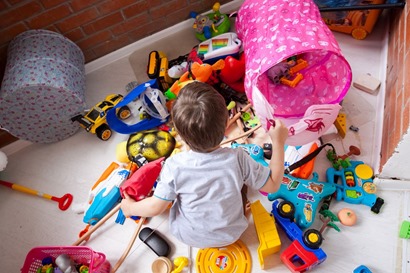
fewer-toysThe other day I observed a small boy – about five to six years old – in the Park, while I was cutting the grass on the estate, playing for hours happily on his own with a toy truck while his adults were sitting on a bench.

With one single toy he was occupied, and seriously engrossed in play, on his own, without getting distracted or fidgety. I assume that, had his adults not wanted to leave, he would have happily been there for another few hours still playing with the self-same toy.

While parents seem to believe, all too often, that the more toys the child has the happier he – or she – will be and the more play and better play, and play experience, they will have. The opposite, however, seems to be the case rather, as also some research appears to strongly suggest as well.

The more toys a child has the less he (and the he stands for both genders here in the continuation of this piece) will be using his imagination during play but using imagination in play is what makes play the work of the child, as Maria Montessori said about play, especially unstructured play.

When we were children we, more often than not, made our own toys, often from scrap, wood or other, some of it waste materials, and from natural wood. We made slingshots – yes, working ones with rubber bands and leather pouch – stick guns, you name it. Sticks and stones often also were the materials for play constructions and we had fun for hours on end making our own entertainment.

On the other hand, even then, children that had (too) many toys – even though we did envy them at times – got bored with one thing very quickly and moved on to the next, never being able to link their play in the way that we did, looking back at it now, with hindsight. What we lacked in store-bought manufactured toys we made up for in imagination in play and in creating our own toys and stuff.

Too many toys in a child's toy box seem to distract play and learning and actually seems to lead to boredom rather than the opposite. In other words, masses of toys are not boredom killers but rather boredom creators because the child gets soon disinterested in the toys. There are just too many which is overwhelming. Fewer toys also make for less clutter in the playroom, bedroom, or any other room where the kids may play.

© 2018

Young people and knives in Britain and elsewhere

by Michael Smith (Veshengro)

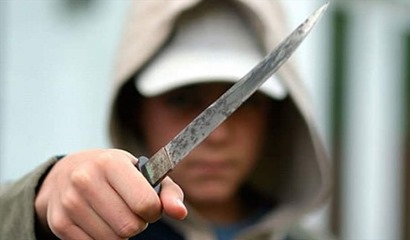
Young people and knives in Britain and elsewhereWe have had knives in our homes, etc., for how long? Boys used to carry a knife on them, in years gone by, and that is not really that long ago, more or less routinely, especially in rural areas, from the simple pocketknife to fixed bladed sheath knives. They also took those knives to school often and how many stabbings did we have among children and young people? Almost zero.

Boy Scouts from Cub Scouts upwards carried the traditional Boy Scouts knife – first in the form of the “official” pocketknife, later the sheath knife – on their belts, openly, and even the Scout hatchet. They attacked each other or others? No.

Now we have this so-called knife culture (sorry, the people who phrased that term have no idea of true knife culture) with all those stabbings and such. When did this phenomena appear? Around 30 years ago or so. And what happened at that time? The proper disciplining of children was outlawed, more or less. A correlation? I sure think so.

The same goes for guns, say, in the United States. People in the Unites States have had guns in their homes for 200 years and more. Mass shootings, including and especially those in schools, perpetrated by students, have only become a problem in the last 30 years or so. If you look closely enough you will sure see the correlation between gun shootings and the decline of and in disciplining our children. Children today believe that they can do as they like having to fear no consequences, as they no longer are permitted, by law often, to be spanked.

When the paddle and the cane were removed from home and school the trouble started. We had – virtually – nothing of this kind in the years until that time. And still people refuse to see the correlation between the two. In addition to that ever since then there seems to have been an increase, generally, in aggression and violence in children and young people, against one another and against other people.

Treating the kids today with Ritalin for supposed ADHD and ADD also is an additional problem for one of the side effects, apparently, of that drug, and of Prozac, is what? Hold on to your hat. According to some medical professionals the side effects are uncontrollable anger. So, while it may dull the kids down when they explode they really do and have – almost – no control of their anger.

Yes, admittedly, violent TV and cinema, computer games and especially virtual reality also have a great deal to answer for but when one looks close enough there seems to be only one real reason for all this malaise and that is that, today, parents and others may not guide their children by the use of proper methods of discipline and chastisement.

Any animal parent chastises their offspring and maybe some people would do well to observe the ways in which this happens but then, most of the do-gooder brigade have so much lost such a connection with reality and Nature, as have our nations' children, that they would not comprehend those ways.

In many other countries that, on one level, have higher cultural values and where the community, in raising kids, is more the focus than the individual, and especially those in the East, and where there is also a lot more focus – in the family and community – on disciplining of children, including physical chastisement, the problems that we, in the so-called liberal West have, seem almost non-existent. But when in those countries and cultures those old values are eroded or abandoned almost the same problems arise.

And still almost no one is willing – in the West – to see a correlation between the abandonment of proper chastisement of children and the rise of the issues that we are faced with, from lack of respect for people and property over general anti-social behavior and mindless violence all the way to knife- and gun crime and the rest.

Talking about rest... I am going to rest my case here; it is becoming rather heavy.

© 2018

Why children benefit from fewer toys

by Michael Smith (Veshengro)

Children play better when they have fewer toysRenown child educator, Maria Montessori said “Play is the child's work.” With that she meant that children are not just playing when they play, but they are working. Play is an important part of child development, and the types of toys that a child interacts with shapes their understanding of the world around them. Toys are the tools children use to accomplish their work, but it is best for the amount of toys that a child has to be limited.

Through play, children practice cooking, cleaning, going to work, fighting, taking care of the baby. I other words every adult activity they see around them. This kind of playful practice, performed over and over, makes them more confident. Play also helps children cope with problems ranging from big traumas to little upsets and helps them process the new information they receive every day.

Toys help children play. They also help children self-entertain and become independent. Therefore it may seem logical to assume that more toys provide more entertainment and help the child work, but that is, apparently, not the case.

Here are reasons why it is best to keep toys minimal and simple:

Children with less use their imagination more. Without many toys, children use their craft of pretending to imagine the scenario in which they are working. Studies show that Einstein was right when he stated that “the true sign of intelligence is not knowledge but imagination.” They also, might, make their own toys. We certainly did as children.

Children maintain focus. Fewer toys mean fewer distractions teaching the child to focus on the task at hand. Toys that provide excess stimulation have been linked to various attention deficiency related problems.

Children interact more with others. Communications skills are not innate; they are learned. Having less stuff allows for less to get in the way of social interactions. When children pretend together, they communicate together and pretend play is the most beneficial play.

Children learn to respect what they have. A child is more likely to value their work when they know they do not have replacements.

Children are more educated. When you choose toys like books, blocks, art supplies and puzzles, children work on skills like reading, building, drawing, and writing. Such toys can incorporate lessons about the world that the child is immersed in rather than distract them from it.

Children become resourceful. Kids learns to use what they have to get the job done and to make things and toys up as they go along.

Children learn to share and share. As parents, we want our children to put people over possessions and to not be greedy. Interacting with others without objects coming between them allows children to value people over things.

Children learn mastery. As a child focuses on a certain toy, they learn to master it and to be proud of their accomplishments.

Children realize they cannot have everything they want. As it goes, “you can't always get what you want, but you get what you need.” Parents may worry that not giving their child what their peers have may make them unpopular or feel under privileged, but it teaches them that a persons identity is built by character, not possessions.

Children appreciate nature. Children have tons of fun outdoors once they are out there, but it may be hard to get them outside if they have endless entertainment inside the home. Outdoors also the building material for homemade toys can be found.

With less, as in fewer toys and games, children learn to be happy with what they have. What a child needs most is love, and they will learn that love and happiness cannot be bought.

Fewer toys also means less clutter in the child's room or the playroom, or wherever they play with their toys and it is all easier for them (and you) to clear up after.

If there are a few toys too many then put them away and only let your children have a certain number. If and when they get bored with them you can circulate them around and refresh with the others.

When I was a child toys, much like clothes, were very much in short supply growing up relatively poor by most standards, even back then, but it did not matter to us. As far as toys and play was concerned we made many of our own toys or had them made for us, from wood, mostly, and much of that wood “natural”, that is to say it cam from the woods and hedgerows. Other “real” toys were those that we found lost or thrown away by others, whether toy cars, stuffed cuddly toys, or whatever. But most fun, I seem to remember, we had with those toys that we made ourselves and such and with the imaginary play using sticks, for instance.

© 2018

Spear & Jackson Select Stainless 3-Piece Mini Tools Set – Product Review

Review by Michael Smith (Veshengro)

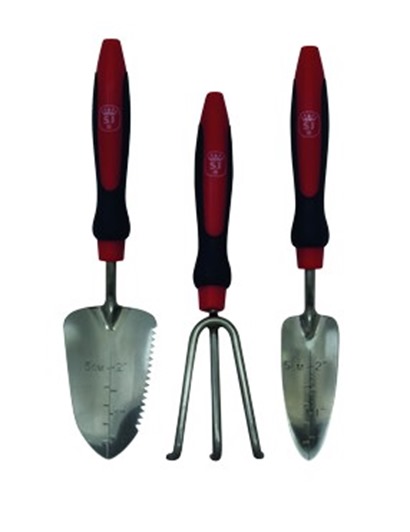
Spear & Jackson SELECT STAINLESS 3-PIECE MINI TOOLS SETSpear & Jackson Select Stainless 3-Piece Mini Tools Set
• Mirror-polished stainless steel heads for rust resistance, easy clean and minimal soil adhesion
• Bi-material, soft grip contoured handles for added comfort
• An ideal set for container gardening
SSP incl VAT £17.99

A small but perfectly formed set of three miniature Select Stainless hand tools: hand trowel, transplanting trowel and three-pronged cultivator, ideal for working in the confined spaces of pots, planters and baskets.

While, originally, intended for use by adults in confined spaces of pots, planters, baskets and otherwise in container gardening, the set is also ideal for the little ones to be introduced to proper gardening, whether in containers or raised bed, by being given proper tools and not plastic things.

Personally I always suggest to refrain from giving a child inferior tools when introducing them to gardening. The plastic play tools do not cut it if you really want them to take gardening serious.

I particularly like the serration on the left-hand side of the trowel as, aside from giving a cutting edge, so to speak, if and when the soil is a little compacted, it also can be used to open bags of soil, compost, etc.

A real nice handy set of tools for the adult gardener pottering around in pots or, and especially, for the young gardener.

© 2018

Technology-addled children have trouble holding a pencil

by Michael Smith (Veshengro)

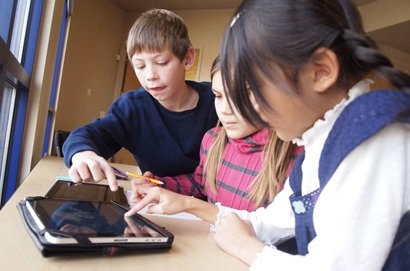
Technology-addled children have trouble holding a pencilChildren have been found to have trouble holding pencils, due to so much time on iPads and other such devices

Experts say that children lack the muscle strength required to write.

All number of things – from intricate finger movement to hand-eye coordination – have to go right before someone can actually write.

Children spend so much time swiping iPad screens that they cannot hold a pencil anymore. Senior paediatricians in the United Kingdom say that many children start school lacking the muscle strength to grip a pencil, which affects their ability to learn how to write properly.

Technology-addled children have trouble holding a pencil2Sally Payne, head pediatric occupational therapist at the Heart of England foundation NHS Trust, told The Guardian: "Children are not coming into school with the hand strength and dexterity they had 10 years ago. Children coming into school are being given a pencil but are increasingly not able to hold it because they don't have the fundamental movement skills."

"To be able to grip a pencil and move it, you need strong control of the fine muscles in your fingers. Children need lots of opportunity to develop those skills."

I would also say that they haven't got the faintest idea what a pencil or pen is in the first place having spent probably several years already playing around on their parents' and probably even their own iPads or such devices.

Developing finger, arm, and shoulder strength is something that happened naturally in the past, when children drew, colored, cut paper and did crafts for entertainment and participated more actively in household chores. But the spread of handheld devices has changed the nature of play.

As Payne said, "It's easier to give a child an iPad than encouraging them to do muscle-building play such as building blocks, cutting and sticking, or pulling toys and ropes. Because of this, they're not developing the underlying foundation skills they need to grip and hold a pencil."

And the ability of proper finger skills and hand-eye-coordination is not just important for writing by hand but also and especially for so many other tasks.

While some may say that handwriting belongs to an antiquated education system and is no longer relevant to today's texting, typing generation, this problem goes beyond not being able to form words on paper. This shows that kids' actual physical development is being stunted by too much sedentary screen-swiping, and that's very alarming. If a child's hand isn't strong enough to hold a pencil, imagine how weak their entire body must be, if the child has spent that much time sitting still, rather than running around the backyard or climbing trees.

While cursive, aka joint-up, writing might not be too important – I never got on with it myself – learning to write by hand and actually doing so is very important indeed, also for note-taking in class, as that action transfers the knowledge better than typing.

We should not be too quick to write off handwriting as a useless skill. Even if we do not write on paper as much as we used to, subjects like math and geography and art will always require the use of one's hand, particularly in early years. And who knows what schools will be like by the time today's kindergarteners reach university. Some lecture halls are banning laptops from classrooms, not only because they are distracting, but also because students are known to retain information better if it is copied down by hand. And that is because this “copying down by hand” is actually more a case of rewriting the words of lecturer into the student's own, thus already taking the material on board without even thinking about it.

We are doing our children a great disservice by handing them an electronic device (too early) before they have mastered other much more important skills than typing or swiping a finger across a screen. They also will not always be able to have a device handy later when needing to write something down, or the device may be out of power, etc. So what then?

On the other hand being unable to hold and push a pencil due to lack of muscle strength and coordination ability may also impede other activities, including the proper use of cutlery and using a knife for cutting tasks. I dread to think what kind of generation we are creating.

© 2018

Child slaves working for the cobalt in your batteries

by Michael Smith (Veshengro)

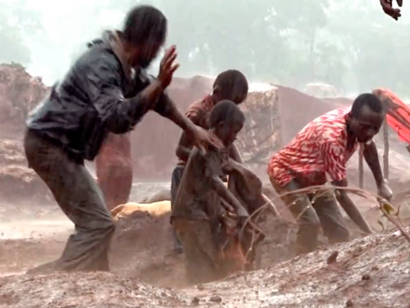
cobaltSome just might like to refer to them as child laborers but when four, eight and eleven year old children being beaten and whipped if they don't produce enough, spill some of the ore, and such like, then they are not laborers but slaves.

In the photo eight-year-old Dorsen is pictured cowering beneath the raised hand of an overseer who warns him not to spill a rock.

And what are they slaving for? So that you can drive an electric car, have a new smartphone every six months, and so forth. They are working for the western world's green energy crusade.

I have said more than once but will say it again and that is that the electric car, and especially its batteries, is not sustainable and it certainly is not ethical, and that includes the Tesla storage batteries for solar and wind home use.

Also with the demand and the cost of cobalt rising astronomically the price of the batteries is not going to come down making for electric cars as cheap as ICE-powered cars; the opposite rather and at what cost other than just the price.

But it is not only cobalt that child slaves are extracting from the earth. Other elements too, and in addition to that child slaves are also involved in large numbers in the “recycling” of E-waste to extract materials for use in smartphones and other electronic devices. The latter is also a very dirty and unhealthy business. But, hey, it's cheaper to use child slaves in foreign countries than to have the recycling, for instance, done at home under stricter conditions.

An army of children, some just four years old, working in the vast polluted mines of the Democratic Republic of Congo, where toxic red dust burns their eyes, and they run the risk of skin disease and a deadly lung condition. Here, for a wage of just 8p a day, the children are made to check the rocks for the tell-tale chocolate- brown streaks of cobalt – the prized ingredient essential for the batteries that power electric cars.

It is feared that thousands more children could be about to be dragged into this hellish daily existence after the historic pledge made by Britain – and other countries – to ban the sale of petrol and diesel cars from 2040 (or even before, as in the case of some other nations) and switch to electric vehicles.

Almost every big motor manufacturer striving to produce millions of electric vehicles buys its cobalt from the impoverished central African state. It is the world's biggest producer, with 60 per cent of the Planet's reserves.

The cobalt is mined by unregulated labor and transported to Asia where battery manufacturers use it to make their products lighter, longer-lasting and rechargeable.

The planned switch to clean energy vehicles has led to an extraordinary surge in demand. While a smartphone battery uses no more than 10 grams of refined cobalt, an electric car needs 15kg (33lb).

While the race to change from ICE-powered vehicles to electric ones may herald a future of clean energy, free from pollution but such ideals mean nothing for the children condemned to a life of hellish misery in the race to achieve his target.

We need to rethink how we drive and so on and also how we use energy and in which form.

© 2018

Make toys with and for your kids instead of buying toys

by Michael Smith (Veshengro)

cup&ball_game1-1In order to present your child with a toy they will be excited about, you do not necessarily need to rush to a toy store and spend hours wandering between the shelves and a great deal of money. It is quite easy to make wonderful toys at home from available materials. Even better still if you and your child make those toys together.

Make toys with and for your kids instead of buying toys for them. There are toys, simple and not so simple ones, that you can make together and there are also the ones that you may have to or wish to make – on your own – for them.

Slingshot (catapult): While in some people's mind this might be rather controversial I will still mention it. I have yet to come across a child, especially a boy, who would not relish having one of those beanflippers and, as long as he is taught not to do the wrong things with it, a catapult (slingshot) is a fine toy and gift. It is also one of those that you and the child can make together.

Wooden blocks: Offcuts from carpenter workshops and such can be made, with little work, into a set of wooden (building) blocks for children to play with. No need to spend money buying those things at often great cost. It is also possible from such offcuts to make “Lincoln Logs”, for instance. Such toys will give years of happiness in play and construction as they are ageless – in more than one way – and the play is only limited by imagination.

Wooden cars, etc.: Can also be – with some skills – quite easily made from such wood offcuts and can be very simple or quite elaborate. The skill level here has to be somewhat higher than for wooden blocks and it may also require a little more in the way of tools.

Tip cat: Very simple to make and will give hours and hours of fun (and exercise). Mostly intended for use outdoors. Pakistan this toy and game is called Gulli-Danda (elsewhere it goes under different names but is the same) and there it is played a little like cricket with teams. Very easy to make and lots of fun. Tipcat can also be played alone and is still great fun.

When we were children a carved tipcat was always in the pocket to play the game as, generally, a suitable stick was always to be be found and, as we always carried a pocketknife, cut to size. However, a special one could be made and used instead.

Stick gun: “Oh, what is he on about now?”, I can now hear some readers ask. Which child has not, wandering in a park of wood, picked up a stick that resembled a gun in some way and played with it? Most will, I am sure. This, though, is a deliberately chosen piece of wood (stick) and fashioned to create a stick gun he will keep to play with and may even cherish. They can now be found on sale – yes, you wouldn't believe it – at stores such as Habitat at around $15 each for a “pistol”. Yes, the world has apparently gone stupid.

Bullroarer: The bullroarer, rhombus, or turndun, is an ancient ritual musical instrument and a device historically used for communicating over great distances. It dates to the Paleolithic period, being found in Ukraine dating from 18,000 BC.

In ancient Greece it was a sacred instrument used in the Dionysian Mysteries and is still used in rituals worldwide.

Along with the didgeridoo, it was a prominent musical technology among the Australian Aborigines, used in ceremonies across the continent.

A bullroarer consists of a (weighted) airfoil (a rectangular thin slat of wood about 15 cm (6 in) to 60 cm (24 in) long and about 1.25 cm (0.5 in) to 5 cm (2 in) wide) attached to a long cord. Typically, the wood slat is trimmed down to a sharp edge around the edges, and serrations along the length of the wooden slat may or may not be used, depending on the cultural traditions of the region in question.

The cord is given a slight initial twist, and the roarer is then swung in a large circle in a horizontal plane, or in a smaller circle in a vertical plane. The aerodynamics of the roarer will keep it spinning about its axis even after the initial twist has unwound. The cord winds fully first in one direction and then the other, alternating.

Having said all that it is easy to make, does not have to be that large, and can be a fun toy for a child of (almost) any age. Scrap wood from woodworking projects or from a wood yard, often free at some places, would do nicely.

Tic Tac Toe: This game that, when played on paper often referred to as Naughts and Crosses, can, with a mat or board, made from waste materials, such as bottle caps of two different colors and, once again, cost nothing.

Whirligig: This is a very old and simple children's toy that have been around for the gods only know how long. Probably made with a wooden disc in the very distant past it was later made with a (large) button.

You can make it in ten minutes, but your children will be playing with it for hours. Used to be made from a large button, as said, and could very well be done from, say, a plastic milk jug lid.

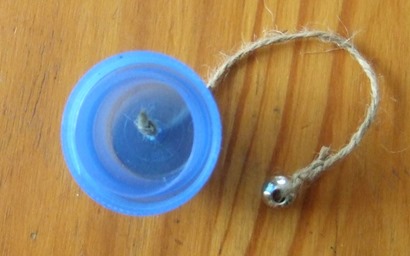
Cup & ball toy: Here is one of those where you can make use of those ubiquitous single use cups, or it can also be made from other stuff, such as the plastic cup lids of liquid detergent bottles (as in the the case of the “model” in the picture).

There are a great many different toys and kinds of toys that you can make for and with your child, often even and especially from waste materials. The only limit is the imagination. You have to still have a child-like imagination often to see the potential of this or that in order to turn it into a toy, or several different things into the one toy. Toy cars and other toys from empty plastic bottles, those from the stronger plastic and not the PET, come to mind, for instance.

The children in many places in Africa, Asia and South America make amazing toys from waste materials and this could also be something done by us and our children.

We all know that all too often an expensive toy is being played with for a short time and then ends up in the toy box never, or rarely, to see again the light of day.

Another thing, and I am sure that someone can come up with a reuse solution, is using the bottle caps of various sizes and colors, with which to make things, as in toys (and also other things). Clip It (http://clip-it.fr/en/) is fine and good but the clips, in my opinion, are rather expensive and I am sure that parents and children, together, might come up with their own solutions.

© 2018

Let them get dirty

by Michael Smith (Veshengro)

Let them get dirtyWarning! I am going to be controversial again...

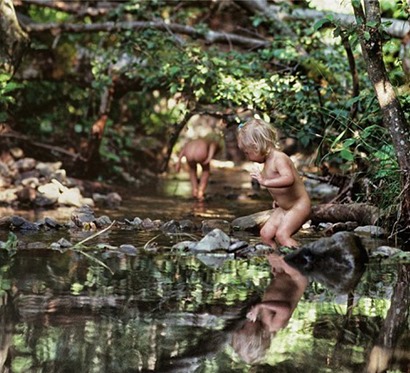
Mud and dirt is good for your children but if you don't like washing their dirty clothes – even their play clothes – all the time then let them get dirty naked. It is good for them and boosts their immune system no end, especially both together. Nudity for children, especially boys, also ads additional metal health benefits due to the stimulation of the skin (so say some experts).

It turns out that both getting dirty and being naked as much as possible is the best way to boost the immune system of children no end. Being naked stimulates, in addition to all the other benefits, nerves and also being in that state releases various hormones that are beneficial during development but also equally good for the adult.

Let them dirty get nakedWhen I was a child we could get dirty as much as possible – and by the gods did we ever – without having to worry about our parents and elders chiding us about our dirty clothes. We, at least the boys, wore none. It was easier, so our parents' and elders' reckoning to wash us than to continuously having to wash our clothes. It was also a great deal cheaper as we needed fewer clothes.

While this was at a time when we did not have much in the way of clothes anyway, and not much of anything really, and washing them was not always as easy as it is for most folks today, the fact that both dirt and nudity were good for us made up for it all. Not that we minded being naked (and dirty) one bit; in fact we hated the very idea of wearing clothes.

I have yet to encounter a young child, especially a boy, who would not prefer being naked over being dressed, especially when that permits him to get as dirty as he likes without getting told off for it by his parents or carers. Naked he can splash in the muddy waters and roll in dirt and mud as much as he likes, and wipe his hands not on his clothes but on himself. All that is needed at the end is to hose him down (literally).

Dirty kids equal healthy kids

Emerging research points out that the backyard garden just may be the cure for what ails us. But then that is, basically, already something that our grandparents and great-grandparents knew. Many a grandmother will have said: “A little dirt does not hurt”. And right she was. In fact, it turns out it is actually good for kids (and us all).

While in today's Western culture, children with soiled feet and grass-stained knees are hurriedly rushed to the bathtub and slathered with antibacterial soap, the loss of our connection to the garden and its dirt means a loss of connection to all the good microbes that live inside it. Too much bathing, showering and such is not good for the children and their immune system either.

Our industrialized world has become squeaky clean – and chronically ill. Many children today are prevented from going outside to play, whether to keep them clean or due to an inflammatory condition, such as allergies, asthma or eczema. Many of these ailments can be traced to a lack of good dirt in our own bodies. The problem, as it seems, may actually turn out to be the solution.

Worldwide studies based on children's lifestyles are proving that early exposure to a healthy microbiome – the community of bacteria living in your body – is a key factor to a strong immune system later in life.

The so-called anti-bacterial soaps, etc., are also seen, now, finally, as a problem rather than a benefit as they destroy all bacteria, including those that we actually need, and especially the young body in order to build a strong immune system.

Grandmothers all around the world used to say: “A little dirt does not hurt” and it turns out that not only does a little dirt not hurt but actually is good for us all and exposing – literally – the whole body to it, and those bacteria that it contains, is better still. This is probably one of the reasons why nudist children are less prone to all those ailments than children who do not come from families who live a natural life in the nude, the way that we all were made.

© 2018

Simple, frugal and eco living with children

by Michael Smith (Veshengro)

Simple, frugal and eco living with childrenMany people think that simple, frugal and especially eco-friendly living with children is an impossibility, as kids cost so much money in what they need.

But what do they really need? The greatest, the most important, need a child has is love and care and that should come free. Other things are, sort of, optional extras. And once again, without apology though, I have to warn people that some of my suggestions may be seen as controversial.

Clothes: As few as necessary, and those should, ideally, be secondhand, otherwise let them go naked, at home, and such, where this is possible, especially the boys that haven't reached puberty as yet (or bare bottom, if it is a little too cold). This is a common practice in many countries and cultures, especially in China and Asia, for the boys particularly, and it seems to benefit them no end physically and mentally.

But I don't want skid marks on the furniture, such as armchairs and sofa, you say. Well then either have them use the dog shelf or wash their behinds after they have done their ablutions, as it is done in China and India. Also better for their behinds than toilet paper.

Why not go the whole hog, so to speak, and start the practice of family nudism, at least at home. It also saves on adult clothes. Family nudism equals true minimalism as far as clothes – especially for the kids – are concerned and is good for Planet and wallet.

I have yet to encounter any boy, at least of prepubescent age, who does not take to more or less permanent nudity like a duck to water. You might be hard pressed to get and keep clothes on him even when required.

Underpants: None for the boys. Underpants are now – finally – even by and especially the medical profession considered as extremely bad for the male.

Swimming trunks (costume): If and where possible let them play in the water and swim bare.

Shoes: some, otherwise barefoot and that – even – outdoors as much as possible.

As I said, I can be very controversial.

Sodas: No. not at all, not even as a “treat”. Have them drink tap water instead, as well as milk and fruit juices (unsweetened). And maybe, also, tea and other infusions (herbal teas).

Toys: Some good quality ones – maybe wooden ones – building blocks and others, toys that do not use batteries, and also and especially teach them how to make their own toys and entertainment. It is amazing what entertainment kids can get from some sticks and stones and other things that cost nothing.

Create games (and toys) with them that use and are made from waste materials. There are some Chinese games that could use, for instance, plastic bottle tops as game pieces (counters). I shall be featuring them in the near future after I have created some example by way of reuse and upcycling. So, maybe, look out for that article for some ideas.

Then there are the outdoor games such as Tipcat, which in Pakistan is called Gulli-Danda (elsewhere it goes under different names but is the same) and where it is played a little like cricket with teams. Very easy to make and lots of fun. Tipcat can also be played alone and is still great fun.

When we were children a carved tipcat was always in the pocket to play the game as, generally, a suitable stick was always to be be found and, as we always carried a pocketknife, cut to size. However, a special one could be made and used instead.

Get wood offcuts from a lumberyard, or such, and make your own version of Lincoln Logs, for instance, or just simply wooden building blocks. The kids will have more fun with them than with commercially made ones, that's for sure, and you save money, and save stuff from going to the landfill.

Pizzas & other takeouts: Don't. Cook good wholesome food at home and involve the kids in the cooking activities, at the same time teaching them to cook. There are enough recipes to be found online that copy takeouts and which, as you have done them yourself, are by far healthier as you know what has gone into them and where and how they were prepared and cooked.

Fakeouts are so much better and are easily made at home and can be better than the real thing without going to the expense even of getting all the right ingredients. Chinese takeout foods such as Chow Mein, for instance, which, by the way, is not a dish actually found in China but which was invented and created in the Chinese diaspora and is very popular also among the diaspora Chinese. Same as the pizza is not Italian at all. You do not need soba noodles, for instance, for Chow Mein, and pizza can be made much better at home with homemade dough and your own choice of toppings.

Those are but a few ideas here as to simple, frugal and “green” living with children and they can add to some real savings in the financial as well as the environmental footprint department.

© 2018

Teaching children skills that are really important

by Michael Smith (Veshengro)

Instead of worrying whether we should give gold stars for participating or for being the best we should involve children in real world activities where the end result of the activity itself is the reward.

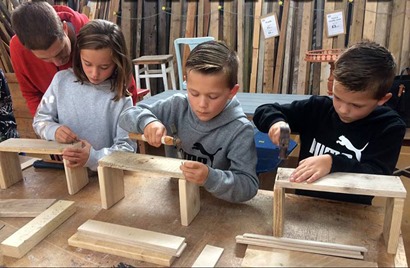
children-making-boxes1Teaching them gardening, woodworking, repair skills, fiber arts, sewing, leatherwork, cooking, and so on. Those are important skills that are useful. I am not saying that reading and writing and being able to do sums and such are not. Those are essential for self-directed learning but so very many subjects and things that are taught in public schools today are not necessary, let alone essential, for later life. Those subjects are just taught because they are used for the passing of tests and many are as useful in later life as the proverbial bits on a hog.

Getting them out hiking somewhere with gorgeous views. Teach them to raise animals and care something other than themselves. Have the help out an elderly relative or elderly neighbor. Give them age appropriate chores to do in the home, garden, etc. and making them feel important when they have done so.

When they help you in the garden (I know that to begin with such help can be more a hindrance than help) don't give them plastic or cheap “tin” gardening tools but invest in the small version of the real thing. They can be had. Or, with a little ingenuity, make the bigger tools smaller, and suitable for them.

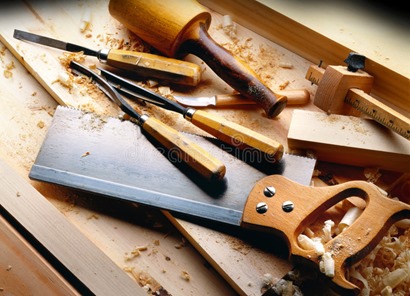
The same goes for woodworking and such like activities. Years ago one could get real woodworking toolboxes, for instance, for children with real, small, saws, planes,, chisels, hammers, etc. Today, alas, they no longer seem to exist. The fear that kids could hurt themselves with those has done away with this, it would appear.

Our society has lost what is truly important in life. It is time to find it again. It teaches the young ones things – in school – that are more or less unimportant and those things that are important for life and in life it tends to neglect. In fact, often the school system makes those things that are not part of the “curriculum” out as unimportant and actively discourages the pursuit of those despite the fact that those are the things that are important in and for life.

The school system, and no doubt not just in Britain, “teaches” children to pass tests rather than teaches them things for life. Good test results put schools in front in the league tables but it does nothing for the students. The only way to change that is if we either demand the system to change, are able to change it ourselves – and I do not think that those two will happen – or take maters into our own hands, as many people do already, and homeschool or even unschool our kids.

© 2017

Rising abuse of alcohol among children and young people

by Michael Smith (Veshengro)

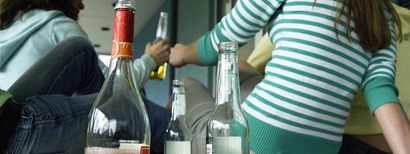
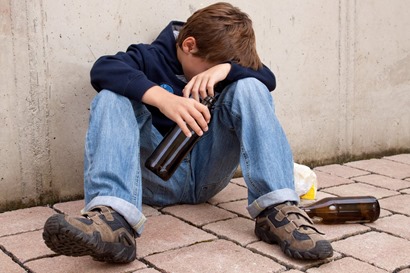
binge drinking kids 2What is the answer? More education or does it need stronger prohibition and laws?

I think what everyone forgets in this equation is to ask the question as to why children as young as eight and ten drink themselves into a coma even. We must first ask why are children and teenagers taking to excessive drinking, so-called binge drinking, which lands some in a coma, and there are at least two reasons here. One is the very system and the pressure of the education system to perform to set standards and the second is the very fact that children no longer have boundaries of any kind and thus feel insecure.

binge drinking kidsGerman media recently reported that in central Germany, what is known as Mitteldeutschland, Saxony and Thuringia, more and more children and teenagers end up in hospital because of alcohol. In 2016 more than 950 children and young people were treated in hospital in Saxony alone for acute alcohol poisoning. In Thuringia the number was around 530. This is a rise of 3% above the previous year. Alarming is the rate of 10-14 year-olds among that number. In that age group there was a serious increase in binge drinkers, almost 25%. More than half of those were girls.

The story, more than likely, will be no different in other countries, including and especially Britain and the United States, despite strict alcohol laws and all the jazz.

While everyone is talking,again, about educating children and young people about the danger of alcohol and especially binge drinking and even stricter laws the underlying cause no one seems to be prepared to look at, consider, and especially not tackle.

Those engaging in this activity of drinking themselves into a stupor and even a coma – almost at least if not actually – have, I should guess, heard all the warnings, had the lessons about it, and there is, in most countries, already a minimum age to buying alcohol in that it is illegal for anyone under a certain age to purchase alcohol and more importantly that it is illegal for traders to sell alcohol to anyone who even appears to be underage. So, how come they still do it and more importantly why?

The idea of the powers-that-be, however, once again, is not to tackle the causes but to deal with the symptoms by more education and more prohibition. Seems to be working well, doesn't it.

© 2017

Sustainable and money-conscious living with children

by Michael Smith (Veshengro)

photo-1446072030474-a32143843657I say right at the start here that, more than likely, some suggestions may be a little controversial, at least to some readers.

Anyone who has children wants the best for them, that is obvious. But financial restraints do not always allow for doing all the things that one may want for them and giving them everything. Then again giving them everything is neither good for the children not is it good for the Planet and sustainable.

It is often said that the rich are rich because they live like poor and the poor are poor because they live like rich and that definitely often is the case as to poorer families with children who want to buy and do everything for their children so that they are not seen as poor. Totally defeats the object.

Wanting to to consider the Planet and to live as far as possible green and sustainable often meets with financial limits. But that should not, actually, be the case. On the contrary: A consumer behavior aimed to resource-conserving should actually benefit the household finances as it should help you save money rather than spend more. But, having said that, greenwash advertising tell us that we have to buy this and that.

Then there are the restrictions as to income and budget anyway and if one is on a restricted budget then what is one to do in this case. On the other hand those suggestions that I shall be making here can also be applied to any financial situation especially if one wants to be kinder to the Planet.

So let's consider a couple of ideas...

Clothes: Children grow very quickly, as those who do have them will know, that they very fast outgrow their clothes and that often well before those clothes are worn out. Unless, that is, you buy the very cheapest, but that is not really a sustainable option. So, what is one to do?

The answer here would be – OK, I know that that is not always what the kids would want – secondhand from charity shops and such like, or hand-me-downs from older siblings or even other families.

If they go to school where school uniforms are worn then, generally, they will have to be purchased new unless the school has a system of “recycling” those from older children to the younger ones. If school without uniform then anything goes.

Clothes for play should always be secondhand or even handmade by the parent. If they are at home, indoors or in the yard where it is possible, and now comes a controversial bit, let them be in their one-button suit they were born with. This saves washing clothes and this saves money on water, detergent, energy and is also is better for the clothes as too much washing also wears them out. It is easier and cheaper to wash the kids than their clothes. It is also better for the children and the Planet.

If you homeschool your children – and while that is not an option in many countries but where it is I would suggest to take it if possible – then no school clothes are needed at all (another saving) and if you (and the children) so desire the natural attire of wearing nothing is also an option.

Bedclothes such as nightshirts or pajamas: Here you should ask yourself as to whether they are really necessary at all. Sleeping in the nude is better for them as far as their health is concerned, and the same goes also for you, as their parents. And if it is a little too cold, say, then an old T-shirt will do with below the waist remaining bare. Never should children (or adults) sleep in underpants.

Shoes: Children's shoes are another one of those things that they grow out of at an alarming rate. So, the ideal thing is to have just a couple of pairs of shoes and boots for them and at other times let them go barefoot whenever and wherever possible. Better for their feet anyway.

Ditch the underpants: For the male of the species this, apparently, is especially important for health, and best start with the boys as soon as they are safely out of diapers and “accident free”. Apparently the restriction in those garments causes problems later as well, but it could also be the reason that many males later in life have health problems down there in the front.

Nudity for the children – and even the entire family – at home reduces the impact in the clothing department on the Planet and the wallet. Far fewer clothes are then needed and there are none that get dirty during play, craft activities, helping in the garden, and such. Paint, glue or dirt on the skin only need a bit of soap and water and not a whole wash cycle in a washing machine. It is a lifestyle that not only benefits your children and you but greatly reduces your family's impact on the Planet.

Holiday camp” for and with children instead of long-distance travel

You want to give your children something special when they are on holiday from school (if you don't homeschool)? Sure travels are great – but not really always for the children many who rather would stay at home – but holiday “camps” and other activities organized by the local council or other organizations which will give the little ones many great experiences. At the same time the environmental footprint is reduced as there are no long distances to travel.

If such “holiday camps” are not available locally, though in many places they are, then create your own adventure with and for the kids in the local countryside. There is much that you can do yourself for and with the kids: a night hike, a scavenger hunt or the campfire by the river or lake (make sure you can legally make a fire there) with bread on the stick or such – such highlight cost next to nothing, don't use up much energy and are much more interesting and exciting for the children and much greener than any travel to foreign destinations. Children also do not necessarily take too well to such trips.

Let children make their own ways

This is very controversial nowadays as in some places this can be constituted as child neglect by the powers-that-be but really should not be.

A quick drive to music lessons, to ballet classes into the next big town: especially when hobbies are concerned much money and gasoline can be saved because also the local municipal centers of have many possibilities and much to offer.

Many regional and local spots or music courses are offers which the child can often get to on his own steam without the need of the Mom or Dad Taxi. Walking and cycling should also be the main way to and from school.

Oh, but dare you suggest that in some countries nowadays, or even do it, that is to say to let the kids go alone to school, walking or cycling, or to the part or the woods, then you risk a visit from child protective services and a charge of child neglect, child endangerment or such. The world has gone mad, I know.

Toys

Regardless of age children really do not need many toys and definitely not expensive ones. All too often the new toy is being played with for five minutes – well, it may be a little longer but – and then put away often never to be played with again. So what's the point?

Pester power, obviously, can be very strong with all the ads on the television aimed at the kids during kids' viewing times and especially during the programs aimed directly at children. The only way to avoid this is to either limit the television viewing of your kids or, my recommendation, getting rid off the television altogether.

Many toys can also, safely, be bought secondhand, at, what we call in Britain, charity Shops, and such like, including stuffed cuddly toys. The best toys, often, however, are those that the kids learn to make for themselves, and the games.

Also and especially when we are talking here about sustainable and money-conscious living with children we want the children to learn and take up that habit of sustainable and money-conscious living themselves and how we raise them in that spirit will go a long way towards how they will become in that department.

© 2017

A move back to our roots: more wood and clay and less plastic

by Michael Smith (Veshengro)

23213129_1845303528843664_4872651655123413633_oBefore plastic became ubiquitous, many kitchen items were made from wood or pottery, that is to say clay, and also from metal. Predominately the material was wood and pottery; metal in the form of copper, lead, bronze and then finally iron, from whence came steel, including stainless steel, came into the equation much later.

The anti-plastic movement is gaining strength as more people realize the folly of using a material that not only leaches chemicals into our bodies, food, and environment, but also does not biodegrade. The movement has taken many shapes and forms, from no-straw campaigns to the zero waste lifestyle to more natural-fiber clothing.

But there is plastic and there is plastic in this context and while, yes, predominately, though not entirely anymore, plastic is made from oil and thus not very sustainable and all that, some plastic is better than other. The main concern, in the general context of getting away from plastic, is the disposable kind, the stuff that really no one needs and that ends up in our countryside, rivers and the seas.

Children are the key to the future so it is the children, therefore, first and foremost that we must educate about the “back to our roots” way of using natural materials. Once kids’ habits change (through education), they will influence their parents to change, while holding them accountable.

To this end teaching children the making of things from natural materials, such as making a wooden spatula or even a spoon, and in that case an eating spoon just right for them, and making a piece of pottery, would be the order of the day.

There was, once, a time when all schools were teaching handcrafts, especially woodwork and pottery but today that is all but gone.

When a child makes something him- or herself, for personal use especially, this product will have a special value for them – and thus we should teach them to aim for the best they can do.

But it should not stop at wood and clay (pottery) but include also the making of products from other, ideally natural materials, by hand and schools – and other places – must be at the forefront again for children – and not just children – to learn again the skills and the joys of making. Textiles, leather, and also metals, should be included.

While in regards to wood, pottery, and even textiles, the entire process can become part of the learning process with leather and metals it is somewhat of as different story. Working with wood and clay for pottery the process goes from natural to made product easy. With textiles it is a little more complicated. Wool needs to be shorn off the sheep, then made into yarn and then worked either by knitting, weaving or otherwise. Even more work is involved in the making of cotton, canvas and linen. And metals are getting even more complicated.

Having said that, however, does not mean that the skills of working those materials should not be taught; they should, as they once were. They should also be taught to both genders, as far as schools are concerned. Boys and men should know how to sew as well, not just girls and women, and the same goes for mending. We must remember that traditionally in the past the tailor was male. Also the cooks – chefs – in inns and hotels were (and often still are) predominately male, so both cooking and sewing is not (just) something that girls and women do. But I digressed somewhat.

We must become makers again instead of being (just) consumers (and learning again to appreciate the handmade efforts of ourselves and our children – proficiency comes with time) and this making can take many forms.

And making “by hand” may not always mean absolutely without any machines. As long as your hands are still involved in the work, and your skills, and it is not an automated process you are still making whatever you are making “by hand”. The potter who uses a powered wheel rather than a kick wheel still shapes the clay by hand into the object that he or she is making. The wood-turner who is using a powered lathe rather than a foot-operated pole lathe or such, still, like the potter, shapes the object, using his hands. I am just saying.

© 2017

The most important school subjects

by Michael Smith (Veshengro)

Handwerk1The most important school subjects are not reading, writing, arithmetic, etc. even though they are important, especially for self-directed learning, as I can ascertain. However, “viewed scientifically the most import school subjects would be music, sports, dramatics, art and handicrafts, the latter is what the Scandinavians would call sloyd”. This is what the brain researcher Manfred Spitzer says and, as far as child development, especially in elementary school children, is concerned that is exactly what is needed.

Children who spend much of their childhood playing (for play is an important aspect of learning), drawing, painting, doing sports, dramatics, and such, are in a much better position later to be taught, to study and to be trained in order to be able to follow a useful profession and calling. Much more useful than learning in Kindergarten already Chinese or having to be worried in elementary school about tests and passing them in order to progress up the ladder, so to speak.

Some may say that this does not do the economy any good and that it is only that which counts, in other words productivity and growth, and training obedient wage slaves.

But today's economy no longer needs untrained docile workers at production lines but highly flexible, stress resistant multi-taskers who are prepared to learn new things to the end of their life. No one needs what the schools of today churn out in the way of unripe non-adults. Nor will the children, as children and later as adults, ever need most of what they have been “taught” in school – generally only in order to pass the tests and exams – in later life.

Yes, reading, writing and some other things are important, as I have already said in the beginning, but you do not have to go to the brainwashing institution called “school” to learn those.

As far as handicrafts, aka sloyd in Scandinavia, and such like are concerned getting hands dirty and learning about traditional trades is what it is all about – kids will be having a ball as long as they are not just be shown how to but are actually allowed and helped to make things.

Also teach them gardening and the growing of food and involve them in this, to the extent of letting them have their own plots where to experiment with growing this or that.

Maybe the best thing would be for children to be taught at home (or other similar setting) rather than in the formal setting of the brainwashing facilities that we call schools where children are but trained to pass tests and regurgitate information in order to pass them.

Many kids are measured on their intelligence base solely on regurgitation of information. Many grow up thinking they are worthless and stupid because they do poorly. This is one of the many factors that contribute to social burden and decay. No matter what anyone says you are not stupid, just a different kind of smart. Also and especially children develop and mature in different stages regardless of age so any standardized tests actually prove nothing and all they do is make some believe that they are failures and will never amount to anything.

That is why self-directed learning, as often is the case with homeschooling, where the kids decide what they want to learn, research, etc., rather than following a set of guidelines, is so much better than any other way.

© 2017

From consumer society to maker society

by Michael Smith (Veshengro)

20139988_1539078376130193_5453055660688507791_nThere was a time when people made and grew almost all of the things they needed; the majority of them at least. They did not – and could not – simply go to the stores or order on-line for home delivery. The latter option did not exist until even a few years ago and the other was not an option because there were no stores (in the very old days) or they could not afford to buy what they wanted.

Money was tight for many, especially the working class, farm laborers and such. So the only option they had was to make what they needed and wanted from materials that were available for free or cheap.

The raw materials for many of the things people needed and wanted was wood, but also other natural and man-made materials, such as scrap and trash. Children used their imagination to fashion all manner of toys from natural materials and from trash, and this is, on all counts, still true today in many a Third World country but also in what some would call backwards areas in the Western world.

The majority today, however, cannot even think how to get something that they need or want aside from checking their wallets or bank accounts and the nearest store or website. The very thought of making something seems alien to many today.

We have been brainwashed into the consumer mentality believing that whatever we need and want has to be coming from some shop of sorts, whether in bricks and mortar or in the virtual realm, and that making things that we need and want to ourselves from natural materials or, God forbid, waste materials, is something only for the very poor in other countries.

And also to use things that are more that a year or so old is also something that is only for the very poor. We must have new manufactured goods all the time, preferably cheap from some offshore manufacturing site.

Sometimes I wonder how this kind of brainwashing was ever possible to happen to the majority but happen it did and it is scary.

We have to find back to reality and that pronto. The time is going to come, and it is not all that far away, for sure, that those products that the majority run after today will no longer be dirt cheap and therefore we must change our ways and do things differently again. I say purposely again as it once was the way things were done and they must be done that way again.

We must return from a consumer and consumption orientated society return to, or transition and develop, however one may wish to put it, into a maker society where, once again, people are prepared to make things and enjoy making things rather than just consuming things. But it is a learning curve and I will not deny that, especially for those that never did such things before. Many young people today, as children, never made their own toys and entertainment the way some of the somewhat older generation did. They often were not allowed to do that as they could get hurt using a knife for whittling of such and as a knife, in the hands of a child or young person (and not just in the hands of a young person), in places such as the UK, is immediately considered an offensive weapon.

Not only is it just a question of being prepared to make our own things – and to repair the things that we have – but a society where everyone makes things or grows things, and is involved in making and growing things or maintaining those things.

In the main, however, all people are doing today is to consumer, bar the few that produce and grow things, and after the things are used they get thrown away. That is the mentality that is prevalent today and it is that mentality that also is causing other ills in society for a consumer, a user, society also uses people and animals in the same way as things and discards them when they are no longer productive.

The entire world needs to change to a new society but it will only do so if we, the people, actually change. The consumer is but a passive user of products and living things and often has no idea as to the true cost of his or her mentality to the Planet.

While it is true that the consumer him- or herself does not do the actual exploitation of environment, of people and of animals, and that is being done by the capitalists, the corporations and such, it is he or she who, by the act of consuming in the way he or she does, being not prepared to turn to being a maker, participates, passively in this exploitation, whether they want this to be true or not.

Edward Abbey is quoted to have said, with reference to the United States of America: “If America could be, once again, a nation of self-reliant farmers, craftsmen, hunters, ranchers and artists, then the rich would have little power to dominate others. Neither to serve nor rule. That was the American dream.” And this also applies to all other nations as well.

The move from a consumer society to a maker society – even if the making part is but a small one with each and every one, to start with – already would go a long way towards this, such as removing the power from the corporations, and thus the rich and “powerful” to dominate others, as in us as the people.

However, a maker society does not just mean making just things for oneself from scratch and even scrap but a society of people who make things rather than having things made for them in some factory in some far way third world country.

On the other hand making things ourselves, for ourselves and for others, and even for sale, liberates. It sets us free from the constant consumption and consumerism and allows us to think what we really need and want (out of life). And it not just liberates the individual, but the entire society.

As far as society goes, we cannot just be consumers, as the majority seems to be today, permanently buying something and tossing out the things – often the very same things we have just bought new, but which are newer than the old ones – that we only bought a couple of months ago. We all must become makers again, on a small and on a larger scale, but always on a human scale.

© 2017

Needs and wants and being frugal

by Michael Smith (Veshengro)

21034533_1455313397883264_6962462607872370993_nVery often wants are mistaken for needs and on other levels a want culture is being and has already been created where even the smallest child screams that he wants that because he needs it.

Parents must start here by putting a stop to such demands but instead of doing that they just give in to each and every demand of the child believing that the child would be disadvantaged if he does not get what he wants. By allowing this to happen they are responsible, and this has been going on for some decades already, of creating, and having created, the entitlement culture that we have today.

Also to blame are, obviously, but to some extent only for the power lies elsewhere, the advertisers whose commercials create in the viewer, child and adult alike, depending who it is target towards, the belief that they need this things shown to be happy or more fulfilled, or whatever. That it costs them dearly more than likely on more than one level the person in whom this desire is aroused rarely recognizes.

The true difference between needs and wants are that needs are, to an extent, but a few, wants, on the other hand, can be and are legion.

The child wants this or that, be it a toy, or whatever, the parent gives in and gets it for him and then, how long does the interest in whatever it was last? If it is a bicycle then, maybe, almost for ever, but when it comes to toys and such, often no more than a couple of days after which he gets “bored” with it and demands yet another one.

Oh, I was a child myself (obviously) and, although the “I want” better was not something that was said in a demanding voice or reinforced with a tantrum, and “I want” actually was better not said at all; more a “I'd like that?” or “Can I have one of those?” and it might happen. Though most of the time it didn't and I would be told to go and do some jobs and earn the money to get it. We didn't have much in the way of money coming in when I was a kid and I learned to appreciate the value of things.

I did just that in the case of roller-skates. Every kid on the block, almost, had a pair and I just needed to have a pair too. Oh yes, I needed a pair though a need it definitely was not but. Found some jobs to do for people against payment and I managed to get the money together and bought a pair. That was a bad move. Why? Because I just could not get on with them at all and after a few tries gave up, put them away, and they were never even looked at again. That also taught me a great lesson.

Over time I learned that what I really needed was different to that what I wanted and soon learned that the fancy stuff that everyone wanted to have I actually did not need – and also could not afford to have and want. That does not mean that over time I have not bought some (more) white elephants. Some of my kitchen gadgets speak for it, such as the deep fat fryer (used probably four or five times), the juicer (oh what a rigmarole cleaning it), and one or two others.

But there were those toys that I made for myself like my catapult, or that wooden tractor that an “uncle” had made for me and that got repaired so many times. How I loved that tractor and to this day I wish I had kept, just for the sake of it. Those really got used. Same as tin can stilt, wooden stilts, and so on. Well, and not to speak of the bicycle that I was given. It may have been a secondhand one but to me it might as well have been the most expensive one in the world. Those things I used day in and day out.

The catapult (slingshot) for instance was with me every day and I practiced with it every spare minute and hunted with it for the pot. We also made our own toys out of bits of wood, things from the forest and things found in the trash and we played more with those things than we ever did with store-bought toys. And I think we also looked after the things we made for ourselves or which someone had made for us much better than after those gotten from a store – with the few exception of expensive things that we bought ourselves from hard-earned money.

The same goes for fashion, aka clothing, whether the Nike (or whatever brand may be in fashion at the very moment) baseball cap. The gimme-hat from the country show, that often are given out for free, are just as good only that you are advertising a brand of tractor or something of that nature. OK, it might not have the right “street cred” but so what. It meets your need for a hat and that's what counts.

Saving money is the main part of being frugal and if you can’t make something yourself then look at getting it second-hand/used and this is the same with clothes as with other things such as a bicycle or whatever.

When I was a kid we all wore hand-me-downs that came from other peoples’ children and also many of our toys came that way too if we did not make them ourselves or got them made for us. There is absolutely nothing wrong with good second-hand clothes or other goods.

While clothes from the charity shop may not be the latest fashion they more often than not are good quality and that at a small fraction of the cost. With the exception of certain clothes, such as socks and undergarments, all my stuff comes from charity shops and my wardrobe is well stocked; overstocked in fact.

I take the greatest pleasure on the frugality front though in making things I need and want from things that otherwise might be thrown away or which have been thrown away and I do take that, probably, to the extreme. But so be it, as far as I am concerned.

Anything and everything that can be reused, reworked and upcycled is on that list. Reuse here applies to reusing an item of waste that can be used for this or that purpose, which would be more repurposing than reuse, as much as something that someone has thrown away and which still works well, such as in the case of a multi-tool that came into my possession in that way.

Reworking and upcycling is a somewhat different kettle of fish to reuse and it all depends of what comes my way here, be that items of waste at home or stuff found, but I look at everything with an eye for doing just that and see what I can make from it and out of it for my own use or even, hopefully, for sale.

So much of what the general population sees as “waste” is transformable into something useful or into art. Personally I prefer the useful side rather than that of artworks but, if all else fails, then artworks are still better than landfill, especially if it is something decorative that one might actually want to have in the home or office.

© 2017

#GreenLiving #greenlivingtips #needs #wants #frugality #makingdo #children #lifelessons

Our society has lost sight of what is truly important in life

by Michael Smith (Veshengro)

Our society has indeed lost sight of what is truly important in life and it is high time to find it again.

What if – Instead of worrying about whether we should give kids gold stars for participating or gold stars for being the best, we would involve them in real world activities where the end result of the activity itself is the reward?

Teach them gardening, woodworking, repair skills, fiber arts, sewing, cooking. Get them out hiking somewhere with a gorgeous view. Raise animals – have them learn to care about something other than themselves. Have them help out a grandparent or elderly neighbor.

Schools, unfortunately, do not teach things that are important to children but teach them how to pass tests instead. Woodworking classes, or even “Design & Technology”, as they were called later, cooking (Home Economics), and such have gone out of the window and instead they are just taught to – basically – memorize what they require to pass those tests so that the schools look good in the so-called “league tables”.

While lessons in “mindfulness”, in meditation, as being introduced in some primary schools in Britain now, are a good idea there are other practical aspects that are important and that from a very early age. Practical skills such as using tools to make things, to grow things, to cook, and so on.

Memorizing dates and events and information that they will, more than likely, never need in their lives after school is not just a waste of time. It prevents proper learning. It would be much better to teach kids to read and write properly, and to enjoy reading for the sake of reading, as well as where to find the information that they may want to know. It is not what you know but knowing where to find the information and to use this information that counts.

Most important of all are life skills, practical skills, and the skill of critical thinking. Schools, teachers, and others also fail kids and society in that they do not teach them how to think but what to think. This is not new at all. School and the compulsory school “education” was, after all, invented for the very reason to indoctrinate children into what to think rather than to teach them critical thinking.

In addition to that everything is geared to academic “success” which in the end means that we have people with PhDs flipping burgers are burger joints. There are only that many places available for all those that have attended university and gotten a degree in this or that, and more often that not, as is now very often the case, in useless subjects. However, schools will insist to push pupils, even if they, the pupils that is, are not interested, towards academic subjects and university and it can be one heck of a fight for the student and his or her parents to get the school to accept the young person's decision to pursue a non-academic career.

Working with one's hands is nowadays seems to be considered by educators and people in general as something dirty and a career in “manual” trades, whether agriculture, horticulture, forestry, carpentry, plumbing, and whatever else, as something that no one really should aspire to. And then we wonder that we have no carpenters or plumbers, and whatever else, and complain that they are all Poles.

Everything is being geared to making lots of money and then still more, often at the detriment of others in society. We have lost what really matters in the pursuit of what really does not and we must rediscover those things that really matter.

© 2015

Farm kids are healthy kids, according to study on allergies and asthma

Amish farm kids

New research confirms the 'hygiene hypothesis.' Farm kids are less likely to develop allergies and asthma than the average child.

Kids need to get grubby on a regular basis. Not only does it mean they’re playing hard while getting exercise and fresh air outside, but it also boosts their immune systems and ultimately makes them healthier.

For years, the ‘hygiene hypothesis’ has been the leading explanation for why so many kids develop allergies and asthma. This hypothesis suggests that kids are being raised in such sterile environments, without sufficient access to dirt and germs, that their immune systems are not trained to recognize which irritants are harmful and harmless.

New research, published last week in Science, supports this hypothesis and develops it further. A group of Belgian researchers from Ghent University found an actual link between farm dust and protection against asthma and allergies. Children who grow up on dairy farms are much less likely than the average child to develop asthma.

Read more here.

Study Proves Farm Dirt Is Beneficial for Children’s Health

Go ahead and let your kids roll around in the dirt. Let them pet the animals and muck the stalls.

A recent study published in Science has proven that kids who have been raised with an exposure to common bacteria and other microbes on farms are less likely to develop allergies.


The study showed that only 25% of farm kids in their test group reacted to common allergens — dust mites, mold, pollen, animals. Compare that to the standard 45% of children of the general population who react to the same allergens. What other conclusion can you draw except farm dirt is good for you?

The science behind this conclusion points to a protein some people develop in their lungs, while others others do not. In the study, the protein, A20, was developed by mice who had been exposed to farm dust. Unexposed mice did not develop the protein. A20 develops in the mucous membranes in the lungs.

Read more here.

Gardening While You Learn

As childhood obesity continues its upward trend nationally, schools and community organizations are partnering to find solutions. One such solution is the advent of school gardens to get students outside the classroom and into the great outdoors.

A University of Alabama psychologist, however, wanted more than anecdotal evidence of the various programs’ success. She’s seeking to determine exactly what kind of an impact these projects have on students, both from a health and educational perspective.

“Working with children in the counseling realm, I noticed how much more time they were spending inside with video games, televisions and computers,” says Dr. Caroline Boxmeyer, a UA psychologist. “I noticed the same thing with children with ADHD and behavioral difficulties who especially need to move and get outside and engage in more hands-on learning.”

Boxmeyer began researching hands-on, educational models that included outdoor nature components about the time the Druid City Garden Project organization was established. It was a perfect partnership.

The Tuscaloosa nonprofit uses school gardens as a teaching tool, connecting students to their food source and teaching important nutritional information. It’s an effort to halt the rising rates of childhood obesity and Type 2 diabetes.

The organization uses a curriculum that ties into the state educational standards for math, science and reading. Weekly, students work in the garden, as well as hold farm stands after school to sell the produce grown.

Read more here.