by Michael Smith (Veshengro)
Children who spend much of their childhood playing (for play is an important aspect of learning), drawing, painting, doing sports, dramatics, and such, are in a much better position later to be taught, to study and to be trained in order to be able to follow a useful profession and calling. Much more useful than learning in Kindergarten already Chinese or having to be worried in elementary school about tests and passing them in order to progress up the ladder, so to speak.
Some may say that this does not do the economy any good and that it is only that which counts, in other words productivity and growth, and training obedient wage slaves.
But today's economy no longer needs untrained docile workers at production lines but highly flexible, stress resistant multi-taskers who are prepared to learn new things to the end of their life. No one needs what the schools of today churn out in the way of unripe non-adults. Nor will the children, as children and later as adults, ever need most of what they have been “taught” in school – generally only in order to pass the tests and exams – in later life.
Yes, reading, writing and some other things are important, as I have already said in the beginning, but you do not have to go to the brainwashing institution called “school” to learn those.
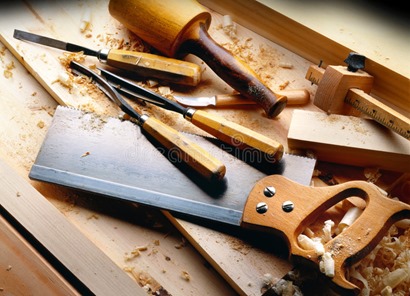
As far as handicrafts, aka sloyd in Scandinavia, and such like are concerned getting hands dirty and learning about traditional trades is what it is all about – kids will be having a ball as long as they are not just be shown how to but are actually allowed and helped to make things.
Also teach them gardening and the growing of food and involve them in this, to the extent of letting them have their own plots where to experiment with growing this or that.
Maybe the best thing would be for children to be taught at home (or other similar setting) rather than in the formal setting of the brainwashing facilities that we call schools where children are but trained to pass tests and regurgitate information in order to pass them.
Many kids are measured on their intelligence base solely on regurgitation of information. Many grow up thinking they are worthless and stupid because they do poorly. This is one of the many factors that contribute to social burden and decay. No matter what anyone says you are not stupid, just a different kind of smart. Also and especially children develop and mature in different stages regardless of age so any standardized tests actually prove nothing and all they do is make some believe that they are failures and will never amount to anything.
That is why self-directed learning, as often is the case with homeschooling, where the kids decide what they want to learn, research, etc., rather than following a set of guidelines, is so much better than any other way.
© 2017