by Michael Smith (Veshengro)
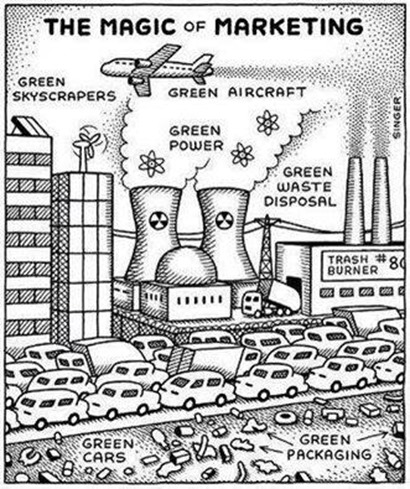
The way the majority buys things that is, aside from the essentials, with which we are not concerned really when it comes to consumption for we all have to eat, have at least some clothes to wear, need toilet paper and other things.
What I do mean here with pathological consumption is buying the things that really they don't need and only buy because the latest version is on the market or whatever. It is killing our Planet, other people and ourselves in the end.
There is nothing really that they need, nothing that they don't own already, and still they keep on buying. The new smartphone that has more bells and whistles than the one they only got six months ago and which they still have not used to its full potential, and so on and so forth. And then there are all those things that really are of little use, such those unitaskers for kitchen and elsewhere that will never, actually, be used but be just white elephants. And yes, alas, I have also managed to buy one or two proverbial white elephants for the kitchen at times. Some people work just so they can afford the next new gadget, etc..
Researching her film The Story of Stuff, Annie Leonard discovered that of the materials flowing through the consumer economy, only 1% remain in use six months after sale. Even the goods we might have expected to hold onto are soon condemned to destruction through either planned obsolescence, meaning that they are designed to break or fail quickly and cannot be fixed or perceived obsolescence, that is to say by becoming “unfashionable”. When the new iPhone comes out it is obvious that an old one is unfashionable; or at least so we seem to have been programed.
Grown men and women devote their lives to manufacturing and marketing often a load of rubbish, and dissing the idea of living without it. “I always knit my gifts”, says a woman in a television ad for an electronics outlet. “Well you shouldn’t,” replies the narrator. An advertisement for Google’s latest tablet shows a father and son camping in the woods. Their enjoyment depends on the Nexus 7’s special features. The best things in life are free, but we’ve found a way of selling them to you, and we, the majority at least, have been brainwashed enough to believe that we need those things for our enjoyment of life. Things have gone so far that people go for hikes in the woods, along trails, etc., either glued to the screens of their smartphones and/or having earphones on or in and listening to some music, or podcast, or whatever. Pray, what's the point?
The growth of inequality that has accompanied the consumer boom ensures that the rising economic tide no longer lifts all boats, not that it ever really did. In the US in 2010 a remarkable 93% of the growth in incomes accrued to the top 1% of the population. The old excuse, that we must trash the planet to help the poor, simply does not wash and the trickle down economy does not work and it is a load of hogwash.
So effectively have governments, the media and advertisers associated consumption with prosperity and happiness that to say these things is to expose yourself to opprobrium and ridicule. When the world goes mad, those who resist are denounced as lunatics. Well, let's be lunatics then and swim, like living fish, against the current of this madness.
The problem is that the system is not broken but that it was designed in this way. So, what are we to do? May I suggest we break the system and make a new one, one that benefits all of the Planet; people, animals, and the biosphere as a whole.
To some extent some of us are already doing it by moving away from the consumer culture and -society, by reusing, upcycling and by making do and mending. By growing some of our own food and by making things that we want and need ourselves, even, as I love to do, from items that others regard as waste.
However, those that are doing this not only encounter ridicule at times, as said above, but are even seen and proclaimed – by governments even – as a threat to the economy and the nation. Thriftiness was declared by some politicians (in the UK) not so long ago as akin to domestic terrorism.
© 2017