By Michael Smith (Veshengro)
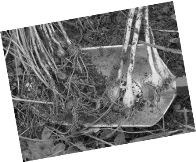 What do dandelions, mulberries, black walnuts, haws (the berries of hawthorn), nettles, and wild onion have in common? They are all edibles that can be foraged in the wilds of suburbia or around the neighborhood.
That’s right.
Foraging for food is not just for hikers and wannabe survivalists, and even real ones. It’s possible to go foraging for wild foods even if you’re in the middle of civilization, even in Central Park in New York.
Some of these free wild foods are quite easy to spot and identify. Who could miss the bright yellow flowers of dandelions for example, but even when the flowers are not out you cannot, generally, mistake the leaves either?
Sautee the young, tender leaves in olive oil or use the young flowers as a garnish. Make dandelion sandwiches using chopped dandelion leaves and use the leaves as they are in green salads in the same way as you would rocket.
Mulberries and other berries, as well as other fruit and nut trees are also easy finds, especially if you’re looking up or down on the ground. There are wild strawberries to be had as well as well as blackberries (brambles) and they certainly cannot be missed either.
Wild onions are pesky plants that invade lawns. Ask if you can dig them up and you’ll probably receive an enthusiastic yes from the person whose lawn they’ve invaded. The same, more likely, will also be the case as regards to dandelions.
Other weedy plants that may require field identification, but that are commonly found in vacant lots and fields include purslane, chickweed, lamb’s quarters, wood sorrel, and in shady damp spots nettles and violets, though I doubt it that really many people need a guide to identify nettles. Alone the very fact that they sting might be a good indication. Some of the others, yes, especially for those not all that familiar with the wild edibles.
Brew tea with violets or use them as garnishes on pastries and deserts. Nettles are known to have medicinal purposes when brewed in a tea and nettles also cook well into a dish like spinach. The Greek kitchen has a greens dish called “Hortes”, which basically equals “green” and is nothing but nettle leaves and dandelion leaves cooked together.
Wood sorrel, aka Common sorrel, which is slightly sour in taste, thus known in German as “Sauerampfer”, is a relation to spinach and works well raw in green salads or cooked as spinach.
Other wild herbs worthy of collecting, though not, necessarily, for food, is Ribwort, aka Narrow-leaf plantain. This is a great medicinal herb that can be used as a poultice for cuts and also is useful for other ailments. But here we are headed into the realm of the medicinal uses and we might also leave that for a separate piece.
© 2011