by Michael Smith (Veshengro)
Ever since the end of the Second World War the developed world – and also some other countries have followed suit now – has headed for the consumer society and industry created built-in obsolescence.
Companies had made huge profits from the war as the military was using stuff at the rate of knots and then some. Now, with the cessation of hostilities, they saw their profits diminish like the proverbial furs escaping down the river.
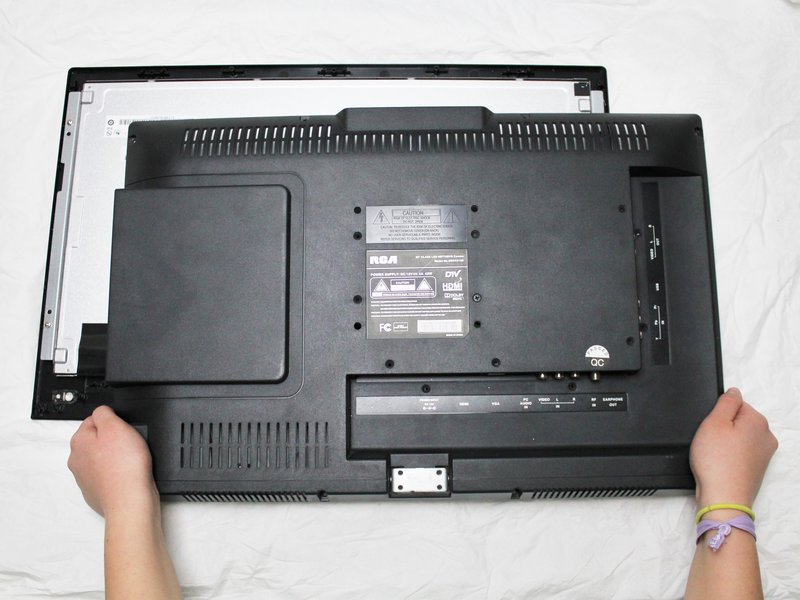
In order to counteract this they realized that if they could but produce goods in such a way that they could not be repaired (no user serviceable parts inside, used to be on many products), and then even to such an extent that even repairmen could not longer do it, or if they could be repaired make it in such a way that parts and labor would be more expensive than buying new and design products in such a way that they had but a limited lifespan and would break down, irreparably, in a short number of years, they could keep selling the same product to people over and over again they would be on to an absolute winner. And so they did just that. This also meant that they did not have to invest too much in designing new and better products and thus also saved in that department and made bigger profits still.
There was a time when products were well made and made to last and could be repaired, often even by the users themselves. New sales were mostly achieved only by designing and making new and better products and such.
Repair constituted an entire sector of the economy with small repair shops for everything in even the smallest towns. Today the so-called show repair shops can't do more than glue a rubber sole (leather, if you are lucky) on a shoe or boot. Don't ask them, though, to resew upper to midsole, for instance; the majority can't do it as they “haven't got a machine to do that”, as I was told. This is how far we have fallen!
Not so long ago everything was made in such a way that it would be repaired and spare parts were available for those products almost ad infinitum today, even it something can be repaired, spares cannot be had after five or ten years, even if the product would continue for a long time were they available.
This is just another way of manufacturers making sure that we have to buy new all the time, as with the built-in obsolescence where a PC, a printer, or what-have-you will, literally, stop working after a given time and it is designed so that it cannot be repaired, thus requiring new products, of the same kind, all the time to be produced, putting a great strain on the resources and the environment.
Ever after World War Two, as already mentioned, the course has been set for this stupid way of making us into consumers and forcing us to buy more and more and as we would not do so if products would last and be repairable as they used to be they just simply moved the goal post and made things so that they could not be repaired or limit the availability of spared to but a few years and bingo; a new this or that will have to be bought, and that goes for (almost) everything.
But it is also people who have become shall we say lazy and are not even – but things are changing with some – prepared to learn simple DIY repair skills such as sewing on a button on a shirt, for instance. They rather throw is and buy a new one and the fact that sweatshop produced garments are sold so cheaply nowadays also makes for that. Rather than putting on a new button, even if a spare may be sewn into the shirt somewhere, they throw it away and buy a new one and the same goes, alas, for so many other things.
We have been conditioned to consume and to consume ever more to make ever more profits for the corporations, to the detriment of our wallets and especially the Planet and all its inhabitants. But, the good thing is that we can change it through how we buy and by demanding to have things changed back to a proper way of doing things and that means also that products are, once again, repairable, for instance. This is not going to happen by itself. It is us who have to bring this change about.
© 2015