Showing posts with label poisonous plants. Show all posts

Experience: foraging nearly killed me

‘We realised we were reacting to something we’d eaten, but as we tried to work out what, we became confused’
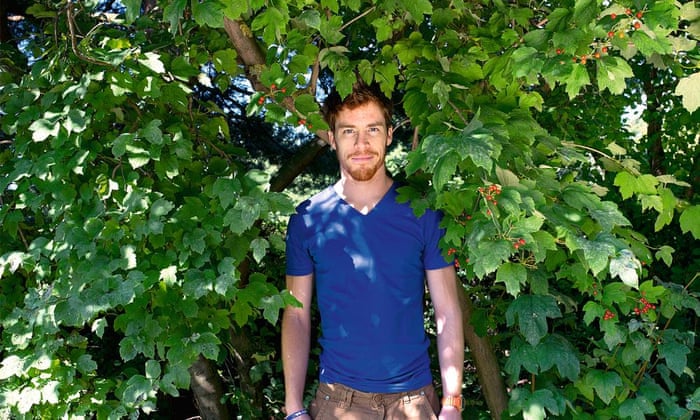
I went to Sicily to learn about Mediterranean horticulture as part of my degree. I’d agreed to work in an ornamental garden on a huge estate for six months, helping to grow crops for the local culinary school to use in their experimental Sicilian cuisine. One night a couple of months in, though, things got more experimental than I had bargained for.

I was sharing a cottage in the grounds with two other foreign students, an American and a Canadian. One evening, they returned from a foraging trip with some leaves they’d found on the estate, which they had identified as chard. They were already cooking when I got in from the garden. It was late and I was ravenous, and I ate at least twice as much of the boiled greens as either of the others. It was a good meal, slightly bitter, but that’s not unusual in the region and, seasoned with salt and a little lemon juice, it went down a treat.

For dessert, we had fresh blood oranges, but I took one bite and spat mine out – it was mouldy. The other two had the same reaction, but when we examined the fruit they looked perfectly fresh. Rinsing our mouths out with bottled water didn’t help, either – that had the same mouldy taste. We realised we must all be reacting to something we’d eaten, but as we tried to work out what, we became confused.

Read more here.

Britain's most poisonous plants

A poisonous flower known as the devil's helmet has been blamed for the death of a gardener in Hampshire. What other plants should you look out for?

Garden safety: poisonous plants cuckoo pint and yew tree berriesThe news that a gardener in Hampshire collapsed and died of multiple organ failure, apparently as a result of handling aconitum, or aconite, known as the "queen of poisons" will no doubt have worried many.

According to Elizabeth Dauncey's book titled Poisonous Plants, there are usually up to two fatalities a year from plants (mainly caused by yew and hemlock), but these are mostly suicides.

Otherwise the most reported cases (but not fatalities) are from cuckoo pint (the seductive berries), laburnum, daffodil bulbs, and woody and black nightshade. Apparently with daffodil bulbs, people mistake them for onions, when stored in a potting shed, for instance. In a stew they add a rather strange taste and can make you sick. If you are frail, they might kill you.

Nightshade berries decrease in toxicity as they ripen and they have a bitter taste; they are certainly not ones to gorge on. In 1992 hemlock water dropwort growing wild (the foliage is similar to celery) did kill two foragers.

Another interesting, unsubstantiated, case is of cherry laurel leaves being taken to a tip by car and the driver being overcome by cyanide fumes given off by the foliage. According to Elizabeth, a leading plant toxicologist, this is feasible if you had a large amount and left them to allow cyanide levels build up, and drove for some time. All of this highlights the need to know what you grow and eat.

Read more: http://www.telegraph.co.uk/gardening/gardeningadvice/7974916/Garden-safety-pretty-but-poisonous-plants.html